The Beatles’ First TV Appearance & Granada’s Lost Studio 4
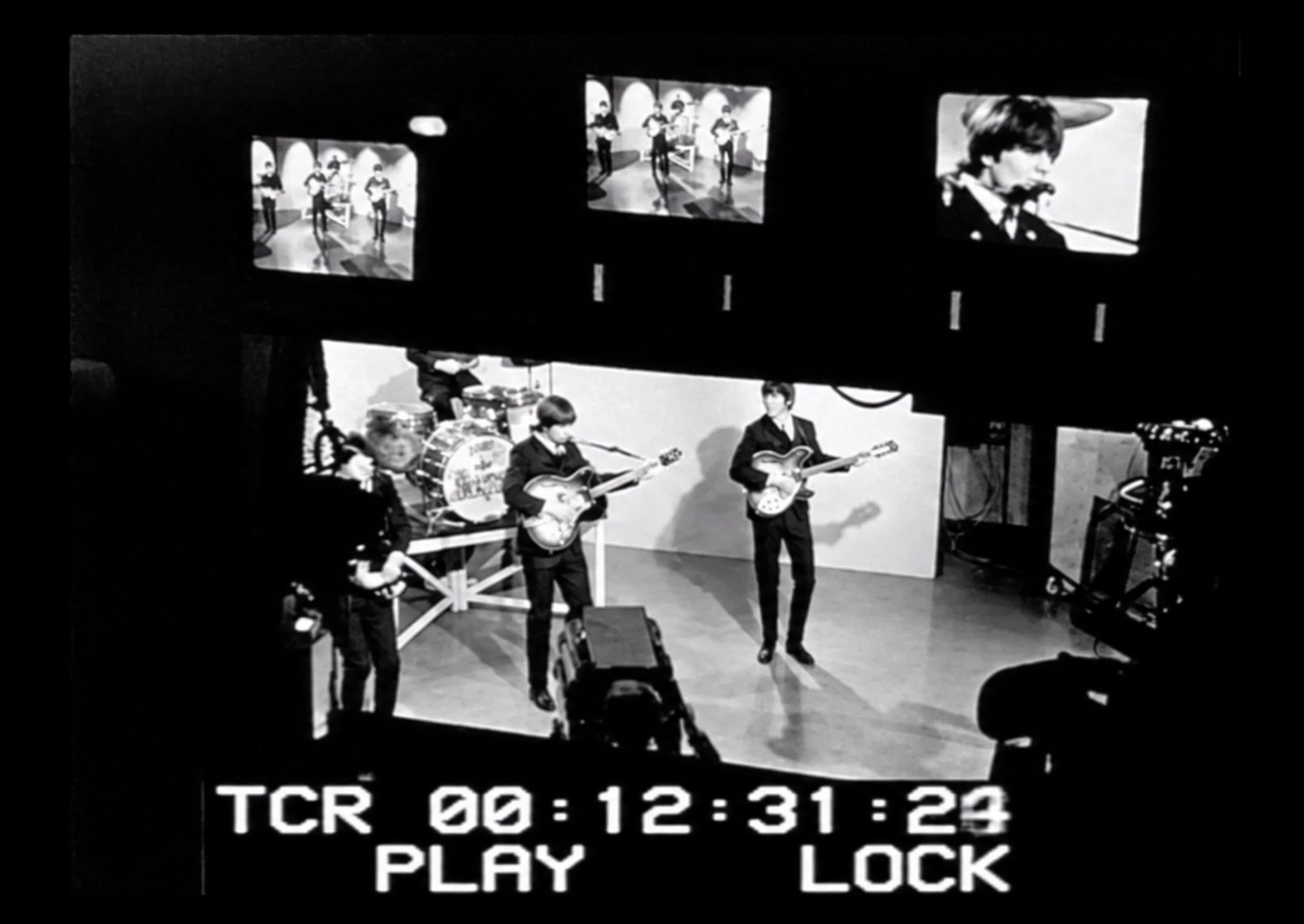
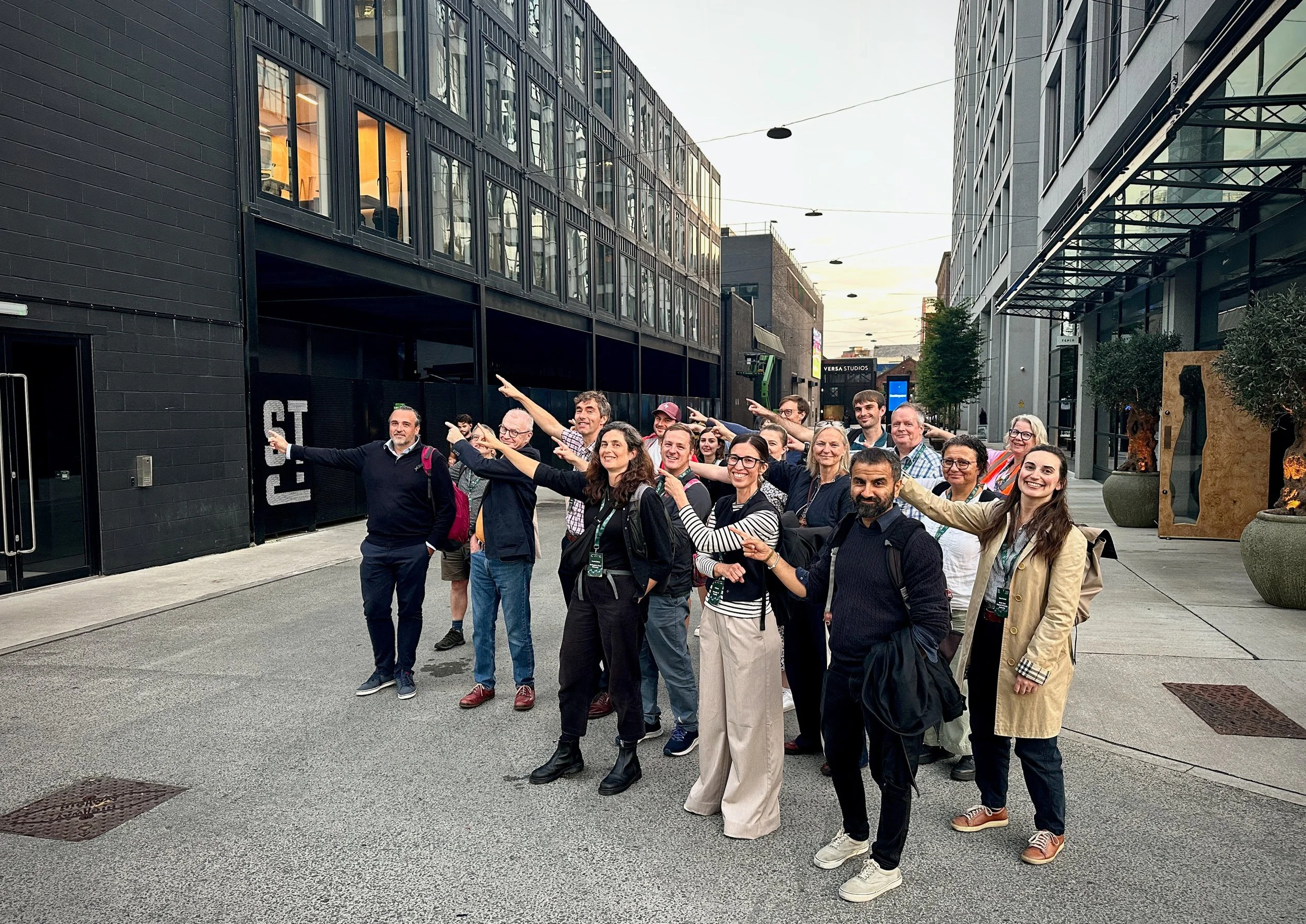
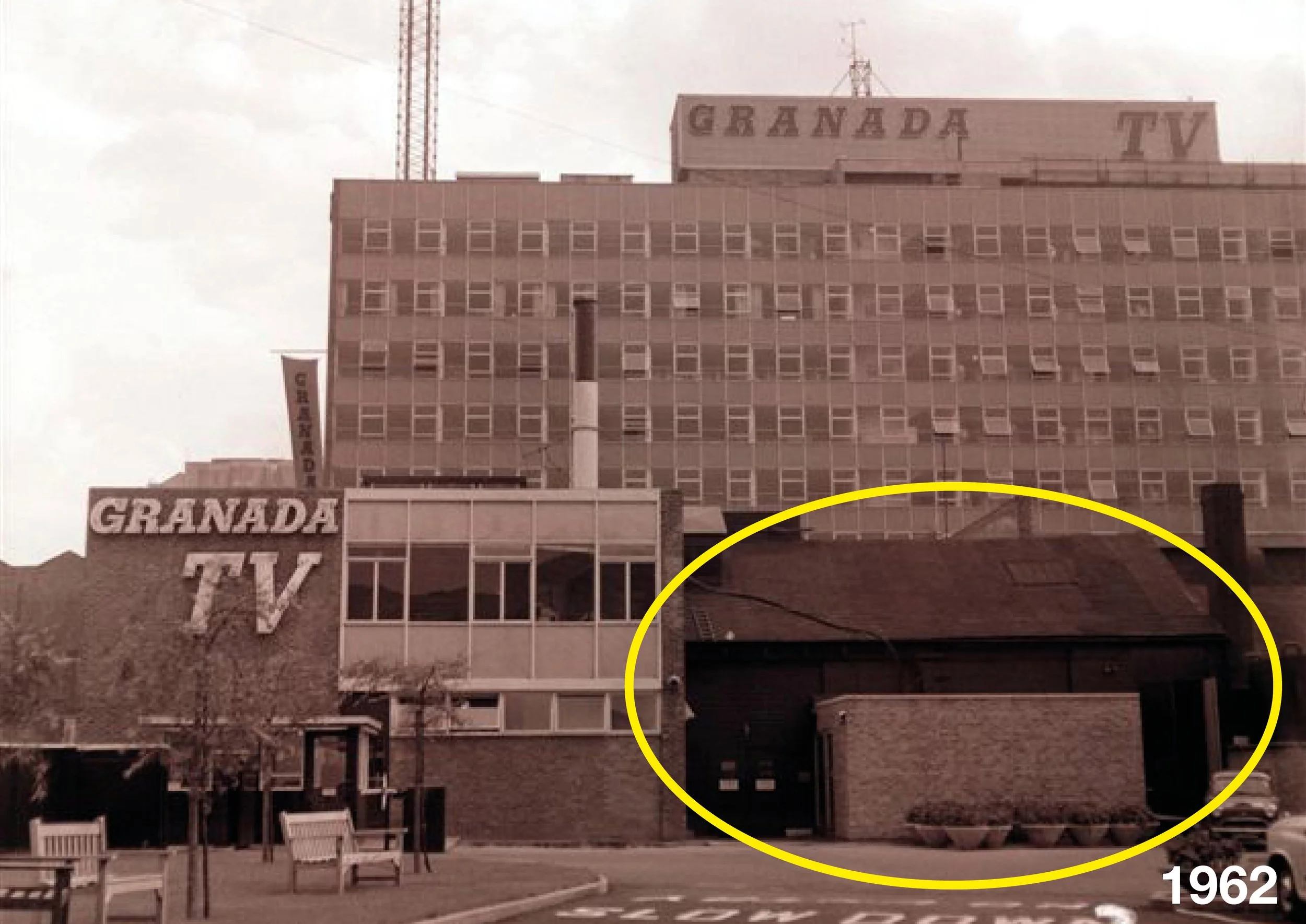
Here’s one of my recent Granadaland walking tour groups pointing out where Granada’s Studio 4 once stood. The studio has long gone, but when it was there, in October 1962, four young musicians from Liverpool made their television debut in that very spot.
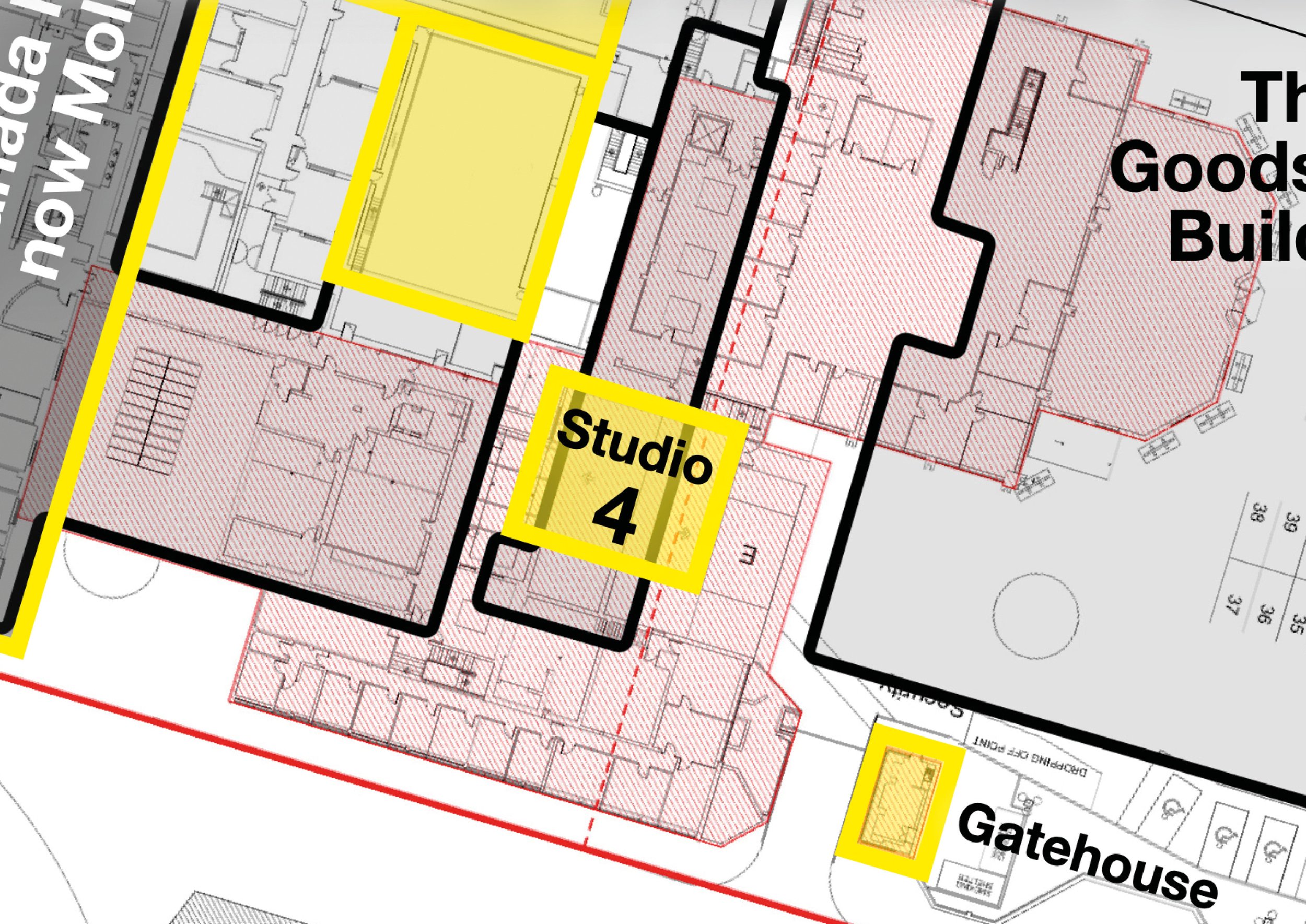
Studio 4 was built in 1956 and was one of the smaller studios at Granada’s Quay Street complex. And it was here, on 17 October 1962, that the Beatles made their first television appearance, on Granada’s regional programme People and Places. They performed “Some Other Guy” and their new single, “Love Me Do”.
The story had begun a little earlier, in Liverpool. Granada researcher Leslie Woodhead had visited the Cavern Club and arranged for the band to be filmed there in August 1962. He later recalled that the film was intended as part of a feature contrasting new sounds with the Brighouse and Rastrick Brass Band, but it did not make it onto television at the time. Brian Epstein wanted to know when the band would finally appear on screen. Bringing them into Granada’s Manchester studio was the answer.
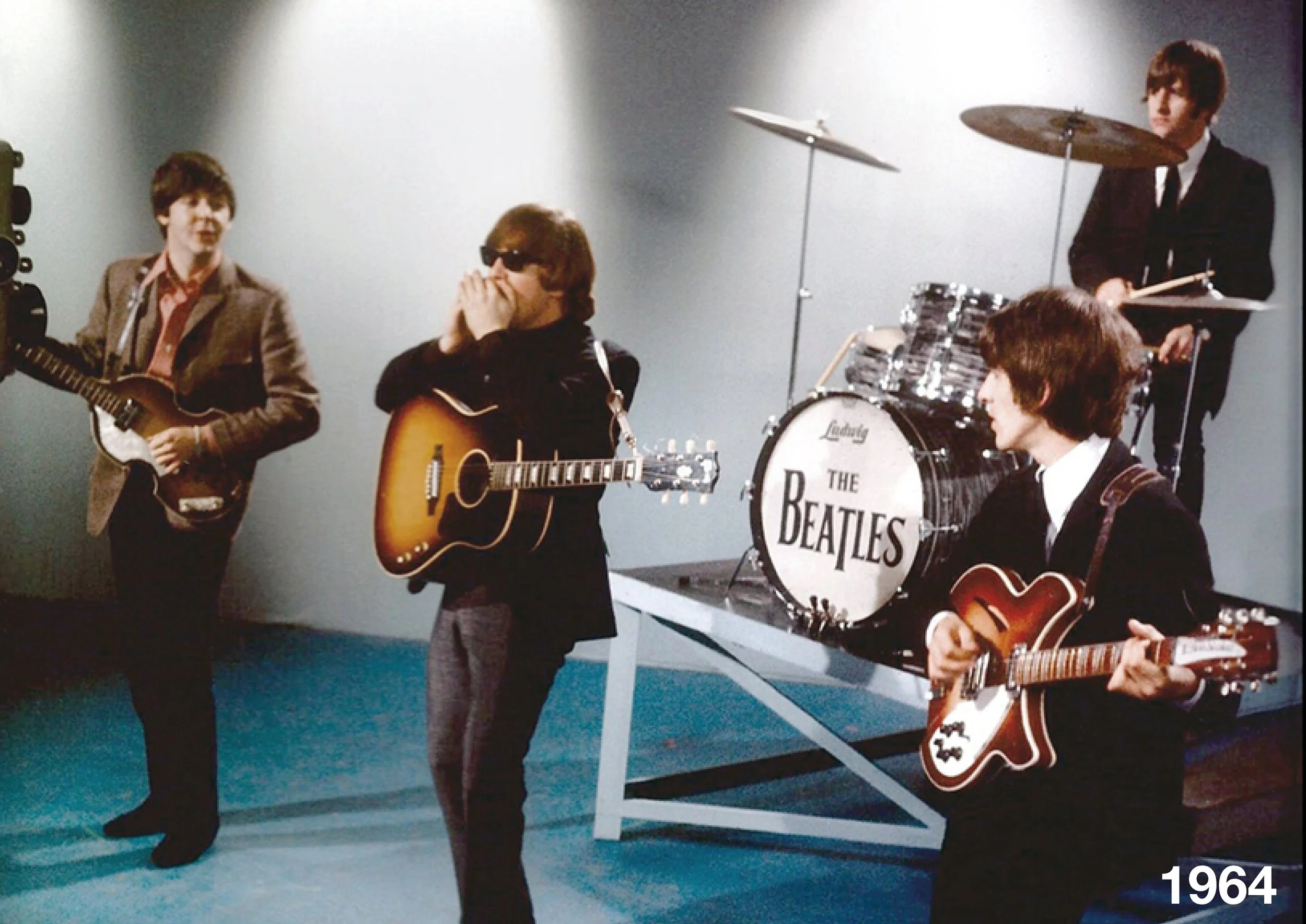
At that point the Beatles were still building an audience. Within two years, their world had changed. On 14th October 1964 they returned to Studio 4 to record an appearance for Scene at 6.30, miming to “I Should Have Known Better”. It was shown two days later. The same day as the recording, they also played two concerts at Manchester’s ABC Cinema in Ardwick… the building now known as the O2 Apollo Manchester.
The film below brings some of this history back into view. It includes a glimpse of Studio 4 from outside in 1962, followed by footage from the Beatles’ later visit in 1964. You can see them at work in the studio and having fun with the props. Note: The performance in the film is not the original 1962 television debut.
Studio 4 had other lives after the Beatles. Once its broadcasting days were over, it became part of Granada’s entrance and reception area.
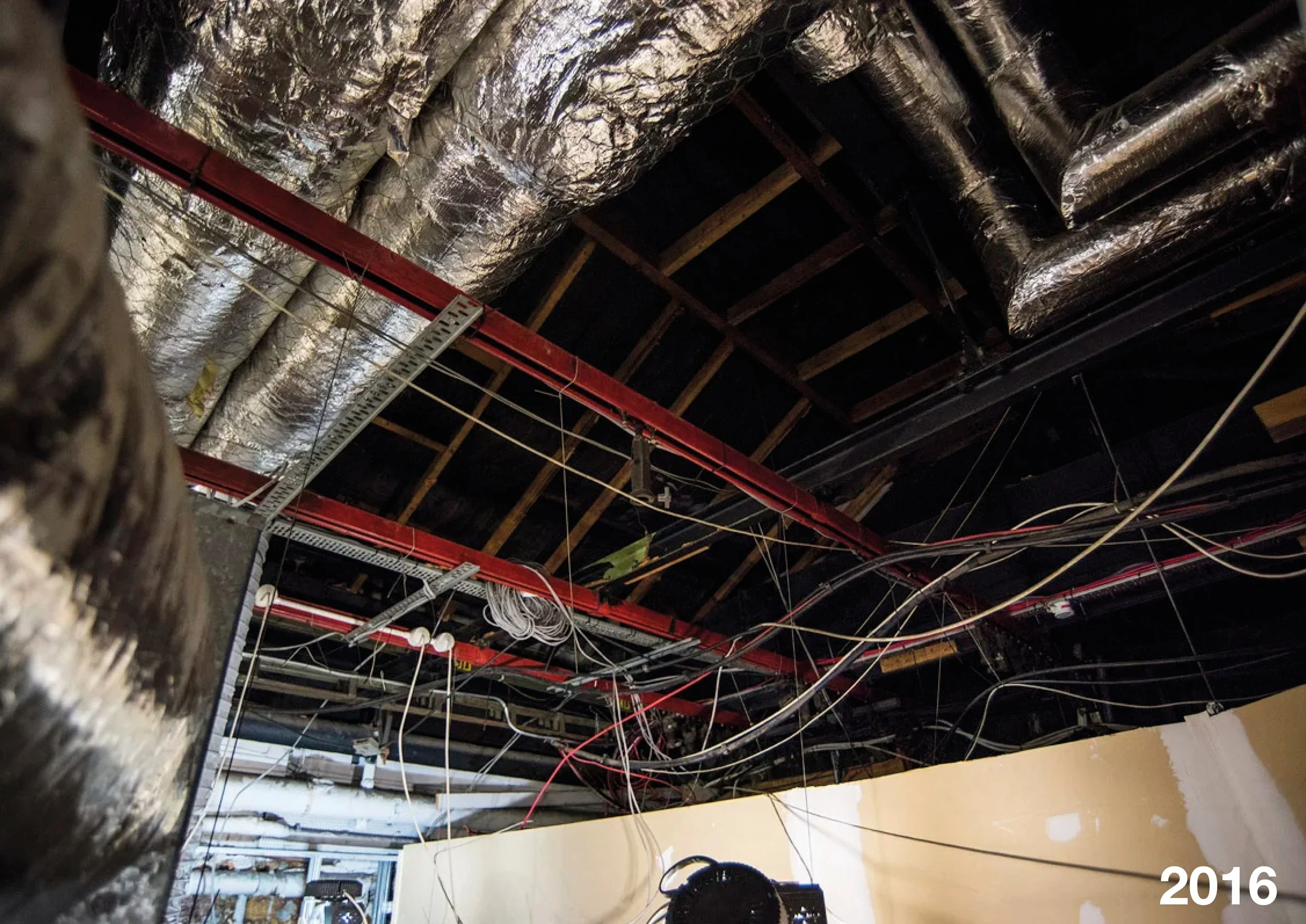
Andrew Brooks photographed a remarkable trace of the old studio before demolition: its original lighting rails, still hidden above the later suspended ceiling. The space had changed almost beyond recognition, but part of the mechanics of television was still there, hidden out of sight.
That is what I like about the photograph of my tour group.
They are pointing at a place which, to most passers-by, gives away almost nothing of what happened there. Put it alongside the old images, the film and Andrew’s photograph, and the lost studio becomes a little easier to imagine.
You can explore this and the many other layers of the former Granada site on my Granadaland walking tour
1962 photograph: Granadaland.org
2016 photograph: Andrew Brooks Photography