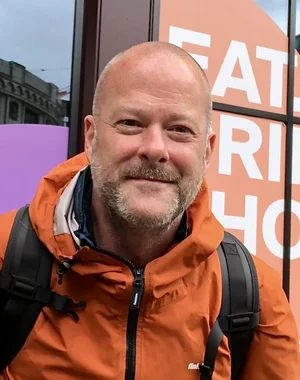
My Old Desk… on Quay Street
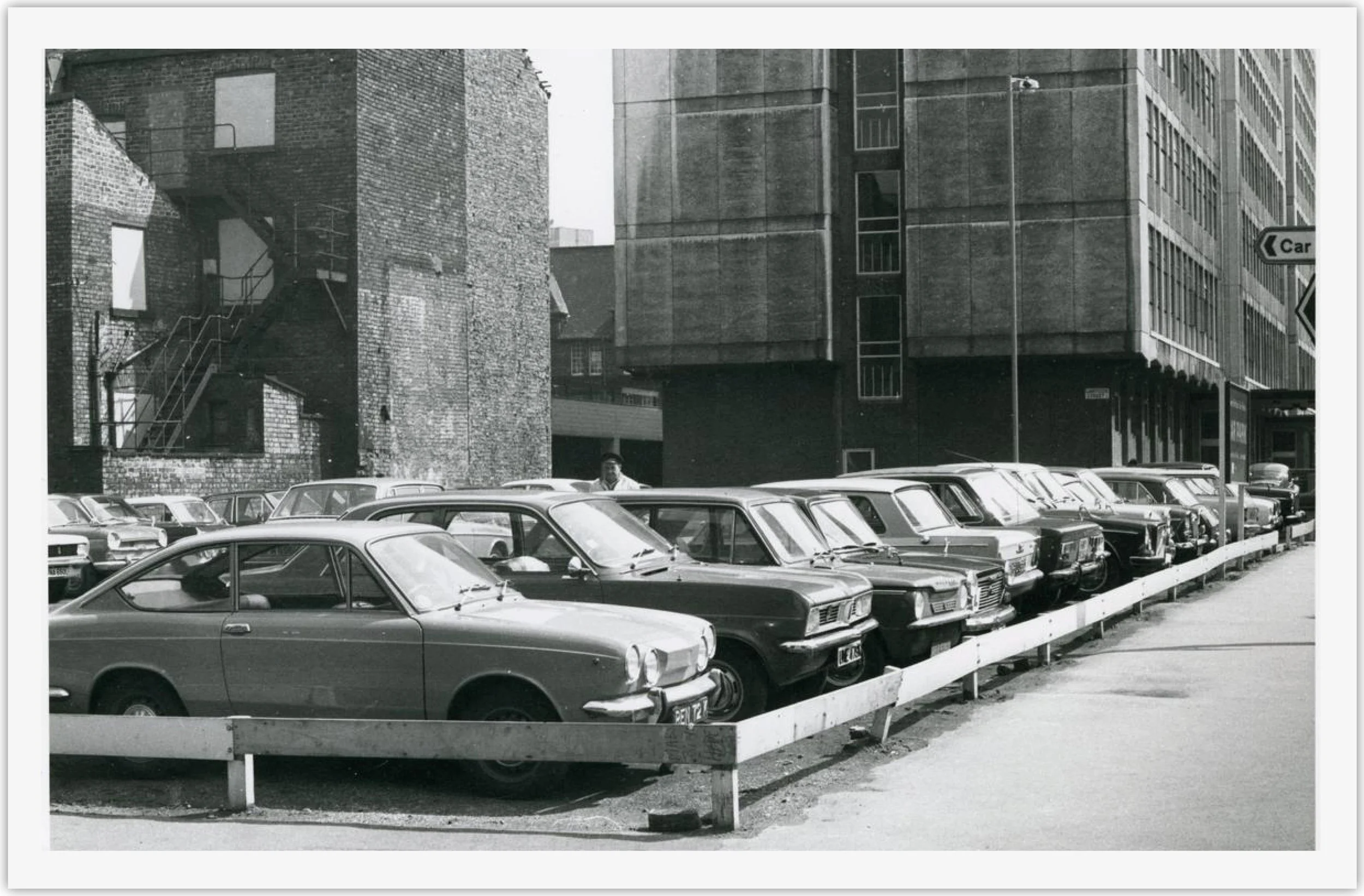
In a post on Instagram and Facebook, I asked if anyone knew where this photo was taken. The answer: it’s a car park on Quay Street that was used by Granada TV in the 1970s. That site is now occupied by St John’s Court, a convincing Georgian-style office building built in the early 1980s.
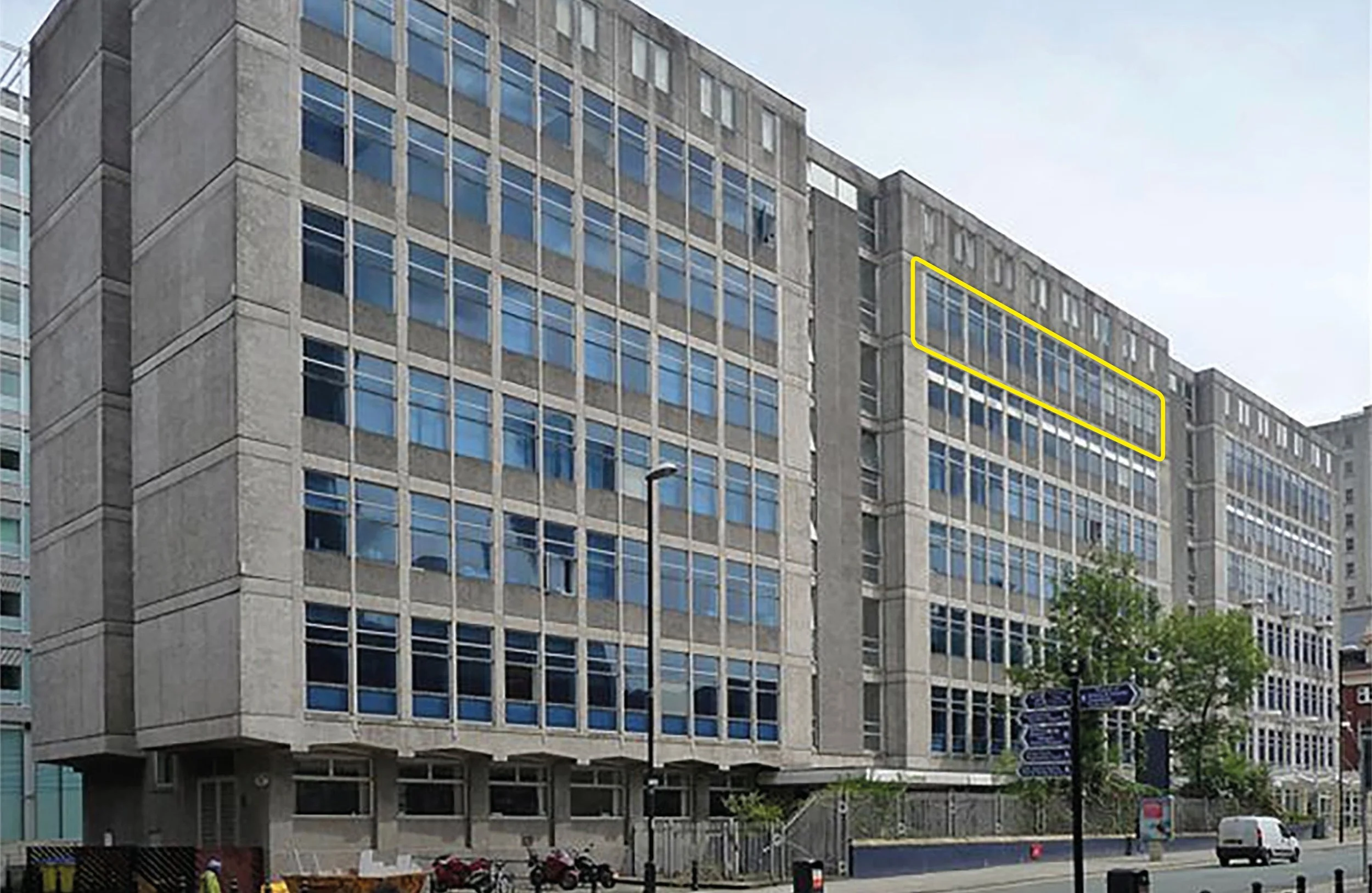
But the real clue was the building in the background: Quay House.
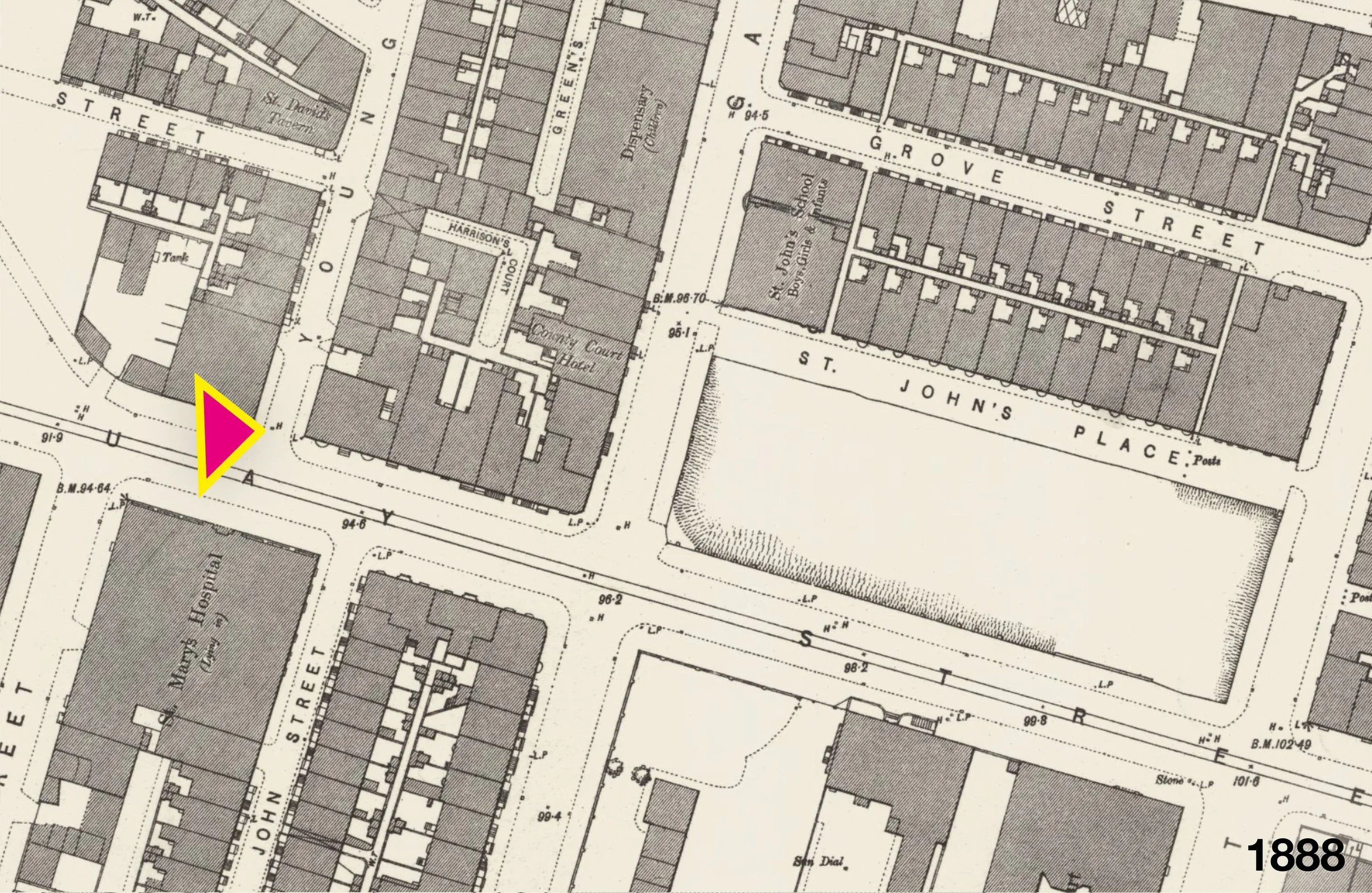
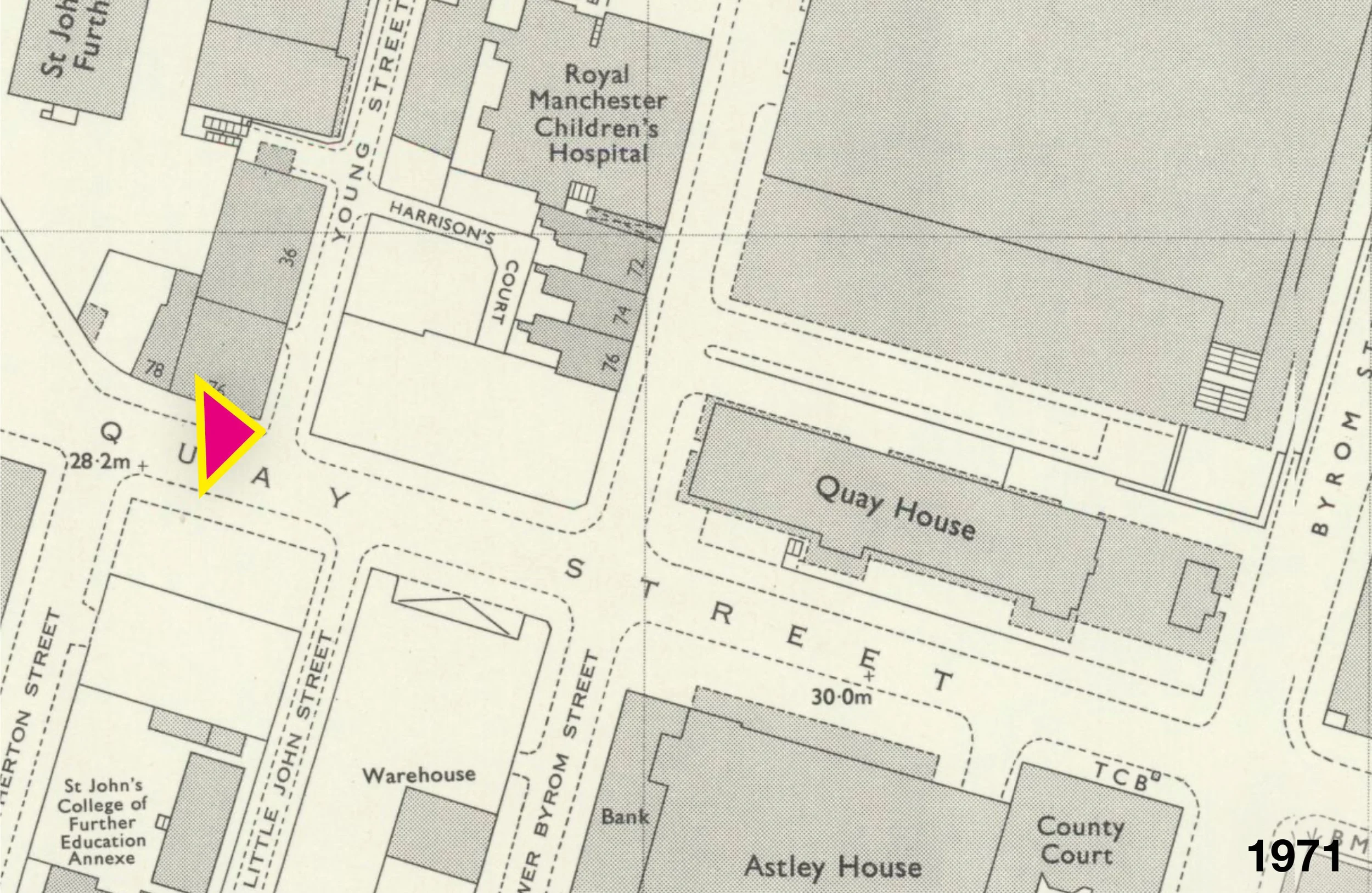
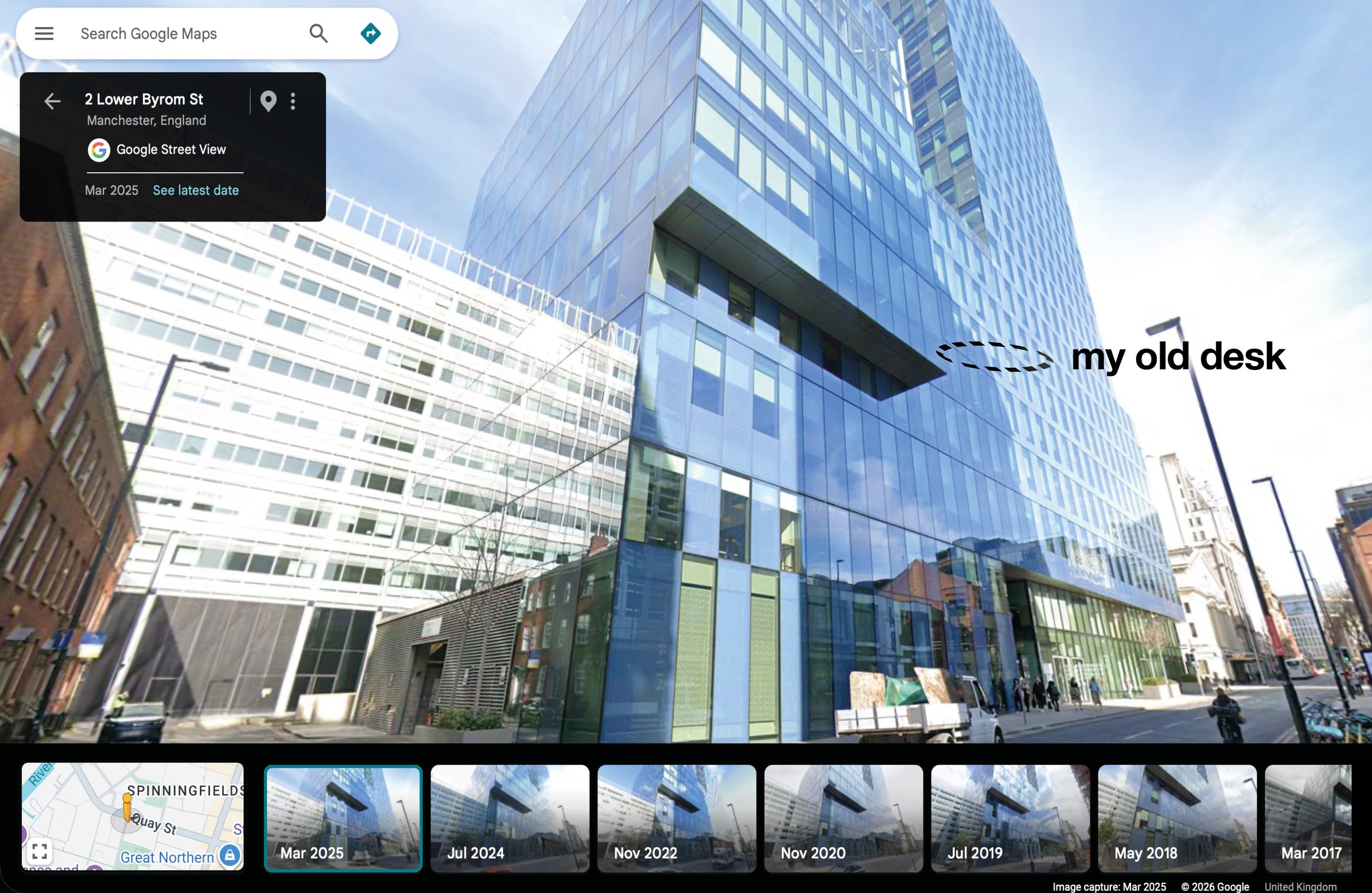
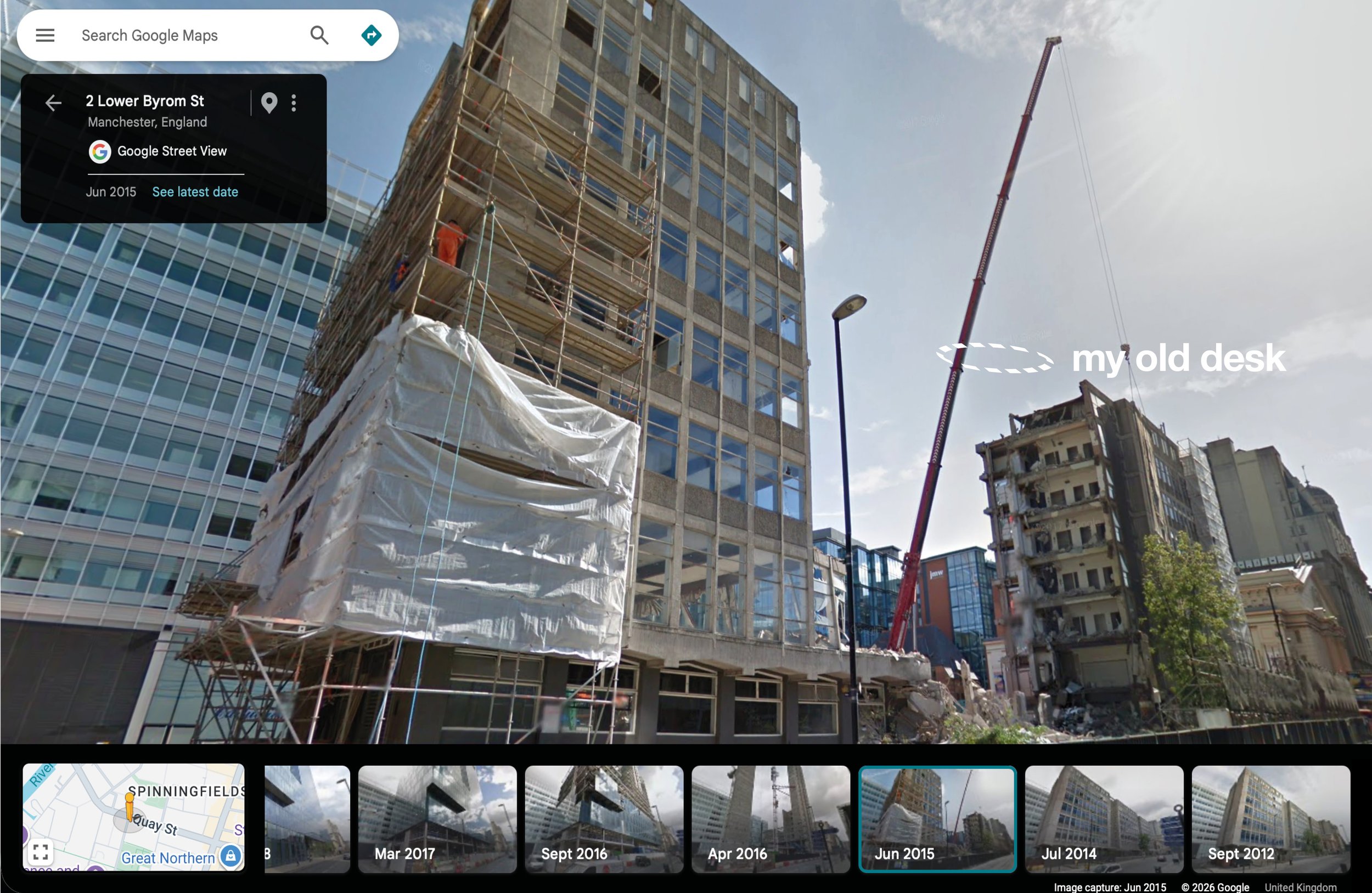
Quay House has now gone too. The site is now occupied by No.1 Spinningfields, which includes the M&S Foodhall, but the earlier building survived long enough to be captured on Google Street View — including during its demolition (https://maps.app.goo.gl/6XEB5pGCrksiHeds6).
I also have a personal connection with it.
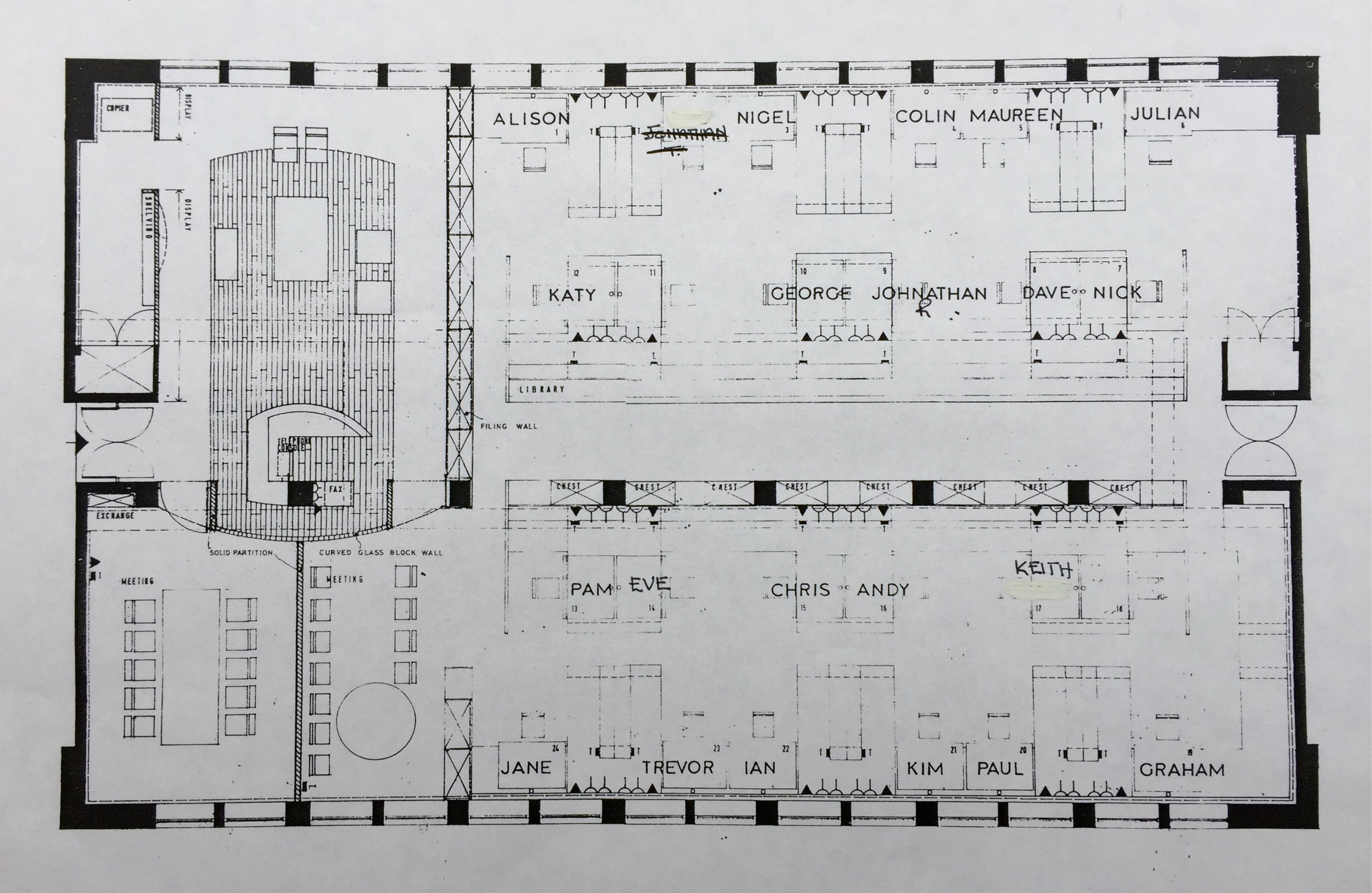
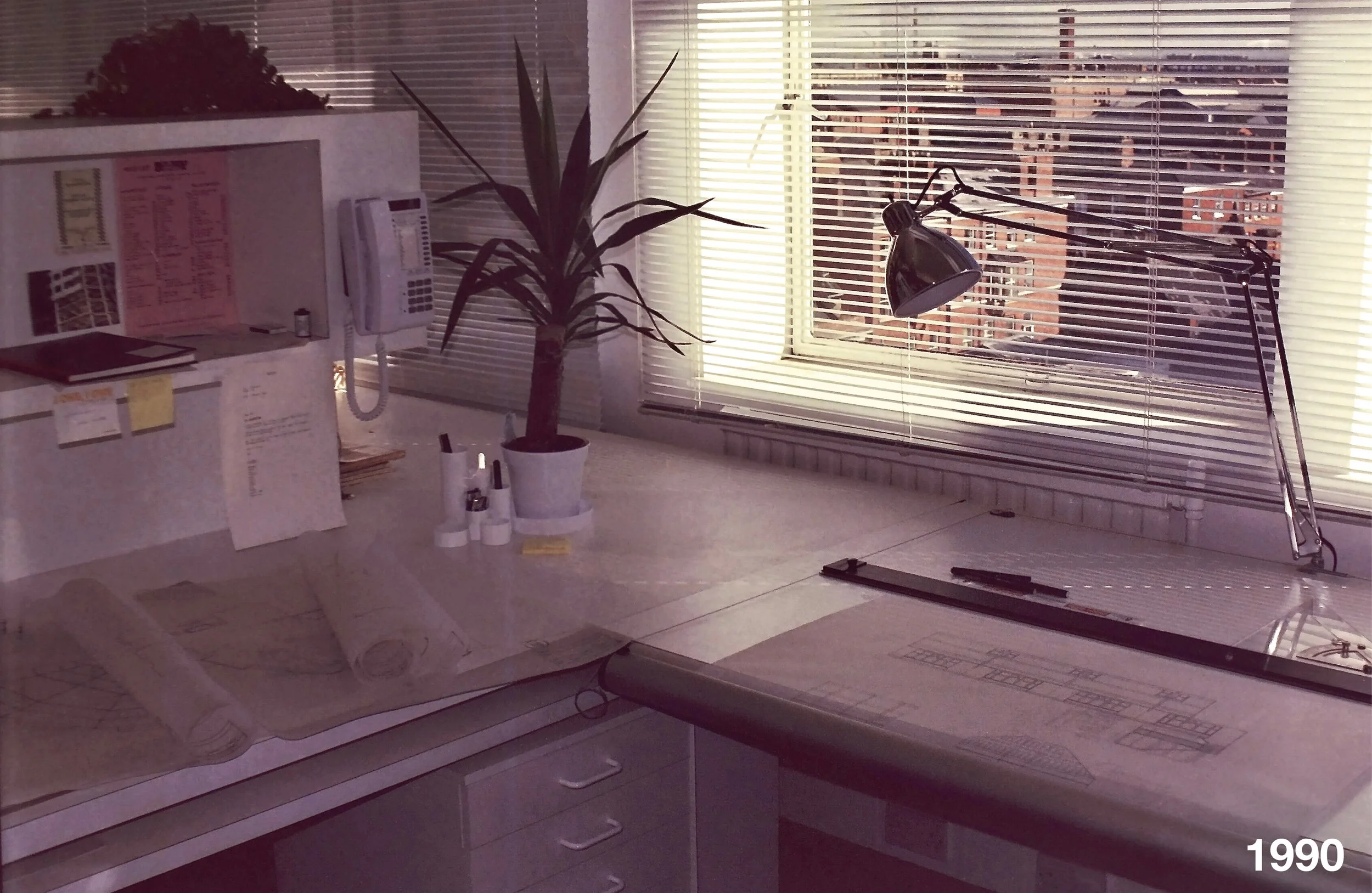
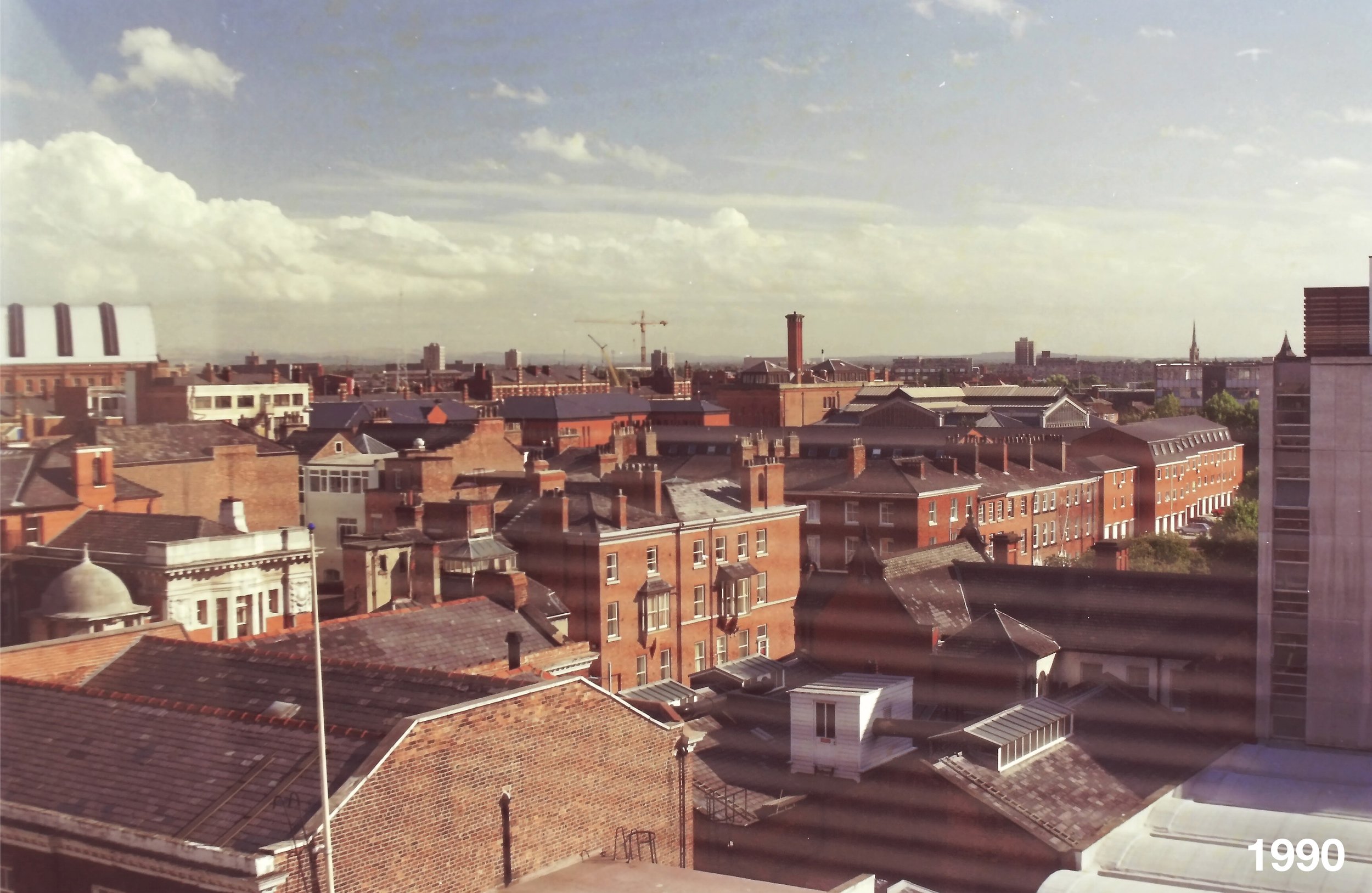
Before going to university, I worked as a trainee architect on an upper floor of Quay House. Included here are a few photos of the office, including my desk / drawing board, and my view across the south of the city. Notice, no tower blocks..!
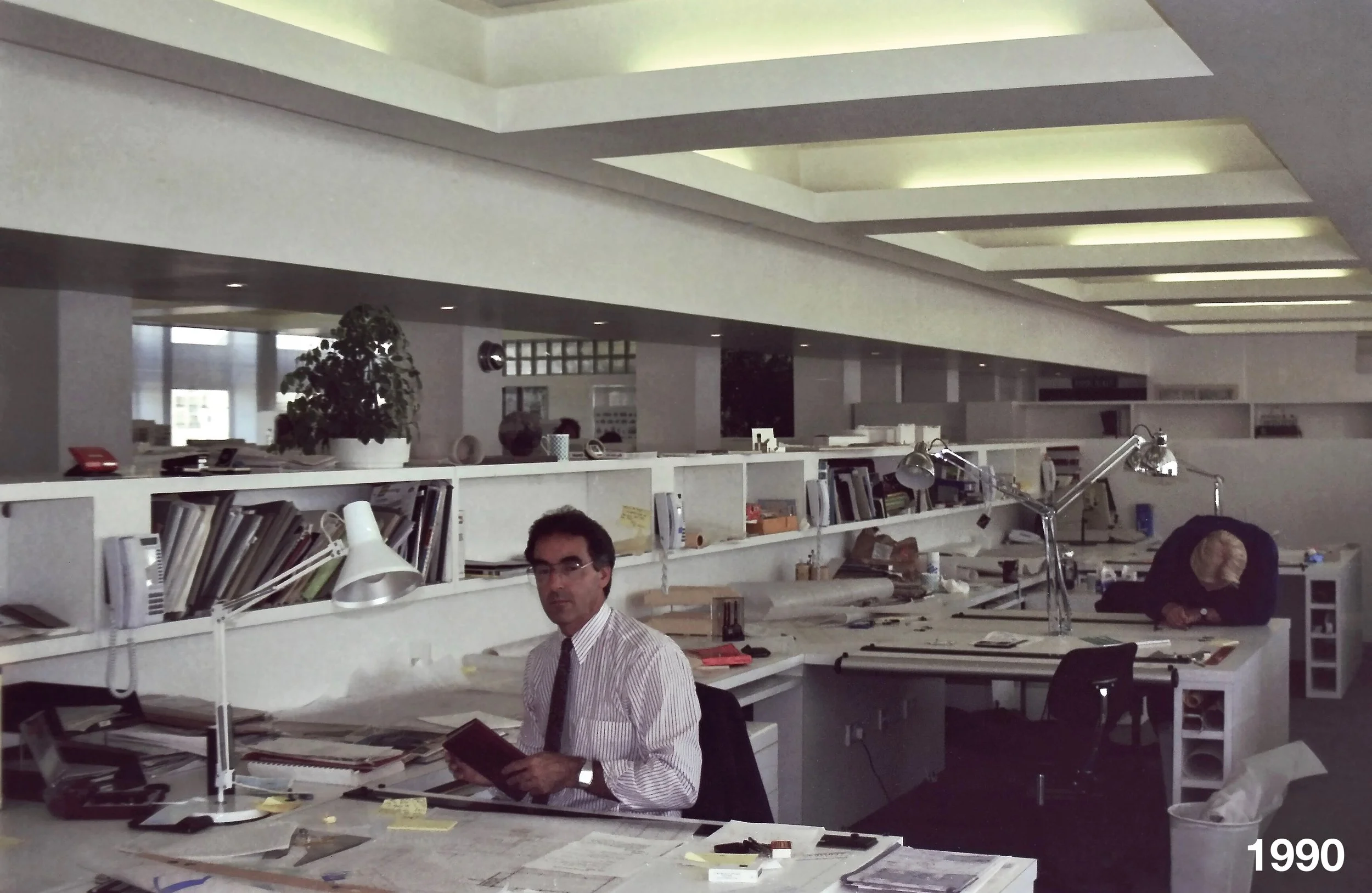
This is one of those times where the story becomes much more than just “what building used to be there?”
Historic photographs are brilliant. Maps are brilliant. They show us where buildings stood, how streets changed, what was demolished and what replaced it.
But what is often missing are the personal stories connected with those places.
Who worked there?
What was drawn there?
What decisions were made there?
What other parts of the city were shaped from inside that building?
From that office in Quay House, there were connections to all sorts of places across Manchester. It was where work was done on buildings such as the Siemens building on Princess Parkway. I worked on the toilet layouts and the ceiling plans…!
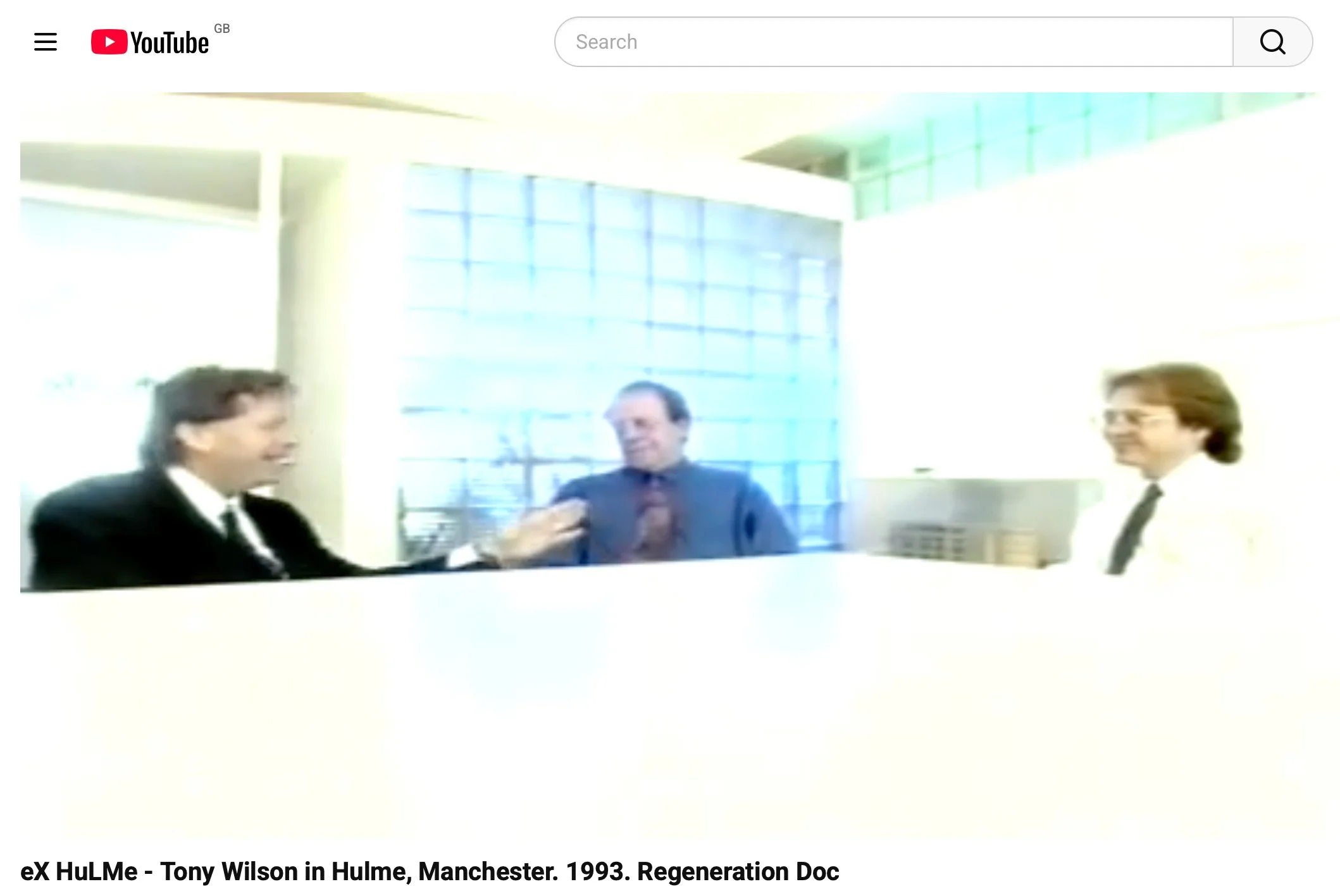
There’s also a great archive connection with my old boss, George Mills, being interviewed by Tony Wilson in 1993 about Hulme regeneration (https://tinyurl.com/6kf2vy5v - 8:04 minutes)… another reminder that buildings are rarely isolated stories. They sit inside networks of people, politics, housing, design, culture and memory.
This is exactly the sort of thing I’m becoming more and more interested in.
Not just buildings.
Not just maps.
Not just “then and now.”
But the lives, work and stories connected with places.
And once those stories are lost, they are much harder to recover than the buildings themselves.
1970s photo: Manchester Libraries Archives